Why Google Maps Rankings Drop During Busy Seasons and How to Recover

Google Maps rankings often drop for small businesses during the busiest times of year—exactly when you need them strongest. Understanding this trend is critical not only for short-term call and lead volume but also for maintaining a healthy local SEO strategy. Many business owners are surprised to see their Google Maps visibility slip during these high-demand periods, but the causes are rooted in how Google interprets local relevance, business activity, and consumer intent during times of heightened competition.
The reasons for these ranking drops are complex, blending fluctuations in consumer search behavior with changes in how competitors optimize their Google Business Profiles (GBPs). If your rankings dip when seasonal demand is highest, it can create a significant missed opportunity. At FMS Online Marketing, we specialize in diagnosing and recovering from this exact scenario. Our approach is based on technical analysis, practical experience across industries, and the most current Google guidelines.
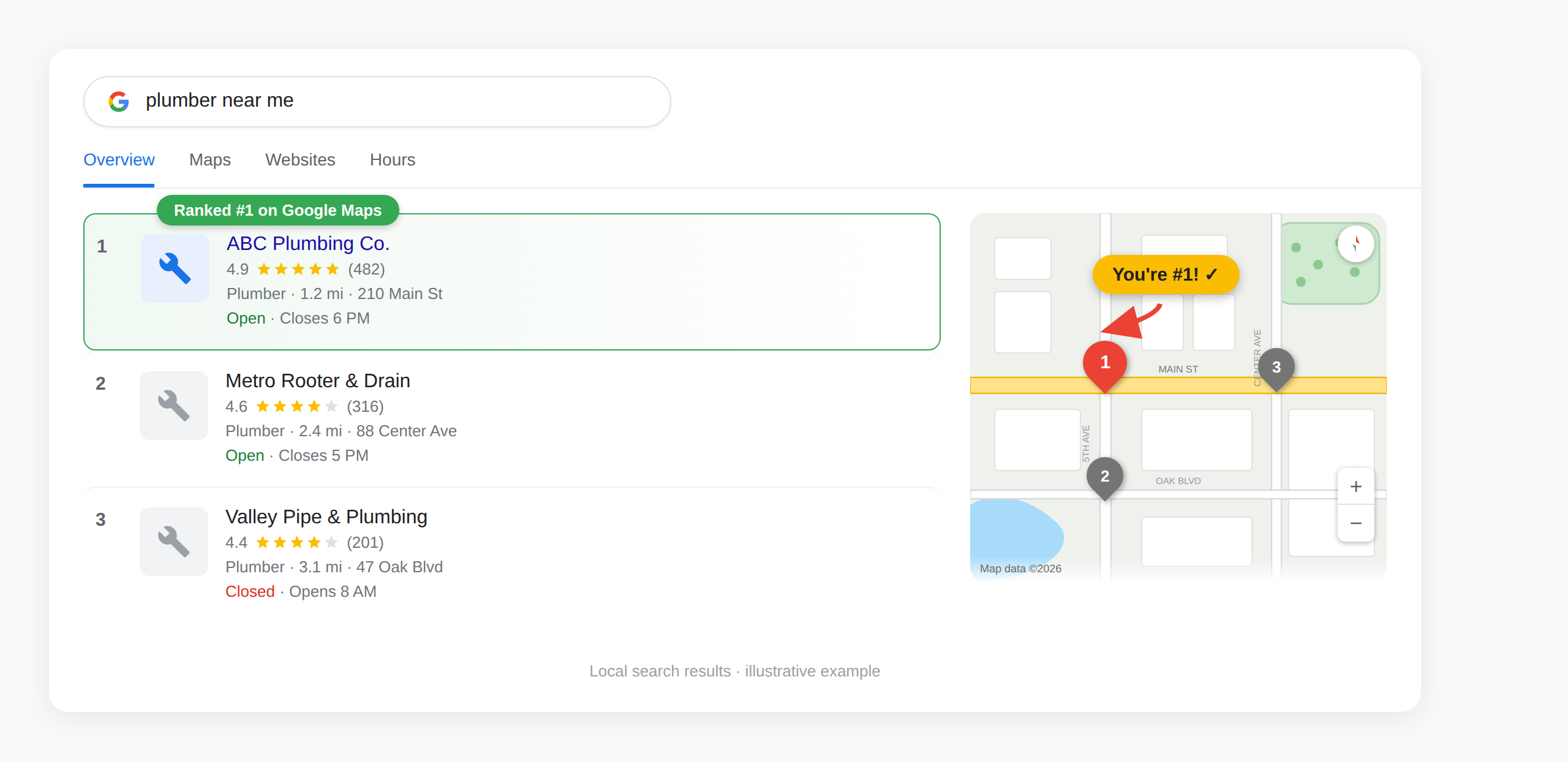
Definition: What Causes Google Maps Rankings to Drop During Busy Seasons?
A Google Maps ranking drop during busy seasons is a decrease in your business’s visibility on Google’s Local Pack or Maps results that coincides with peak consumer search periods (such as summer for HVAC or holidays for retail and restaurants). This decline can result in fewer calls, direction requests, and quote forms, even when actual demand is at its highest. The most common causes include changes in competitor behavior, a slowdown in recent reviews, incomplete or outdated Google Business Profile details, and misalignment of your website or GBP with seasonally changing search queries.
Key Reasons Why Seasonal Drops Occur
- Increased Competition: During high-demand periods, competitors often begin or ramp up their own local SEO, GBP updates, and review requests. Businesses that keep their profiles and digital presence static may quickly fall behind.
- Shift in Search Behavior: Consumers use different search terms and expect more relevant, time-sensitive information (such as "emergency plumbing" in winter or "AC repair" during hot months). If your GBP or landing pages do not reflect this shift, Google may show more relevant competitors instead.
- Outdated or Incomplete Information: Details such as business hours, service offerings, and photos must be current—especially when demand is high. Google’s algorithm favors profiles with accurate, engaging, and up-to-date content.
- Slower Review Velocity: During busy seasons, asking for reviews often gets overlooked. A decline in recent positive reviews can quickly erode your Maps ranking.
- Technical and Indexing Issues: Changes to your GBP or website that make it harder for Google to index or understand your business can amplify ranking volatility.
Understanding Google’s Local Ranking Factors
It is important to recognize the core factors influencing Google’s local search rankings: relevance, distance, and prominence. Google's own guidelines clarify that businesses should ensure all information is complete, regularly updated, and that reviews are managed proactively. Local Maps volatility during busy seasons is normal, but the extent of the drop depends on how well you maintain these critical elements.
Identifying the Drop: What to Watch For
- Major changes in your ranking position (more than 3 spots) for core keywords
- Reduced appearance in the Local Pack across multiple devices or locations
- A rapid decline in Google Business Profile calls, direction requests, or website clicks
- Noticeable drop in website traffic that matches Maps performance
Normal day-to-day fluctuations are common. Focus on drops that persist for more than a week and significantly affect grid points (locations you serve).
Step-By-Step: How to Diagnose and Recover Your Google Maps Rankings
- Pinpoint the Timeline of Change
Check your GBP Insights, Google Search Console, and analytics. Identify when the drop began and look for links to algorithm updates, site edits, or GBP changes. Consistently, recovery starts with accurate diagnosis. - Audit Your Google Business Profile Details
Review all profile fields—business name, primary and secondary categories, address, hours, services, business description, and photos. Even a minor error or recent edit can trigger an algorithmic adjustment. If a change lines up with the timing of your ranking drop, revert or update the edit promptly and monitor for improvement within two weeks. - Restart and Accelerate Review Requests
If review velocity has slowed, immediately ramp up requests to satisfied customers. Many top-performing businesses aim for 4-8 new reviews per month during recovery. Make review generation systematic and ongoing—not just a seasonal push. - Refresh GBP Content for the Season
Update posts, service descriptions, and featured photos to match in-season needs. For example, HVAC companies should highlight "emergency repair" and mention heat waves or cold snaps. This signals to Google and customers that your business is responsive and relevant right now. - Update Landing Pages for Local and Seasonal Relevance
Ensure the webpage linked from your GBP aligns with the busiest services and keywords. The landing page should feature location, primary offerings, and strong calls-to-action. Many businesses neglect to sync their Maps and website signals, diluting local relevance. - Check for Technical Issues
Use Google Search Console to screen for indexing problems, slow site speed, or blocked pages. If your Maps landing page is not accessible or contains broken schema, it will harm visibility even if your GBP itself is accurate. - Monitor Competitor Activity
Track how often competitors publish posts, update photos, and gather new reviews. Many drops coincide not with penalties but with competitors making progress at a faster pace. An internal review or a third-party audit can give you an accurate picture of your own efforts versus nearby businesses.
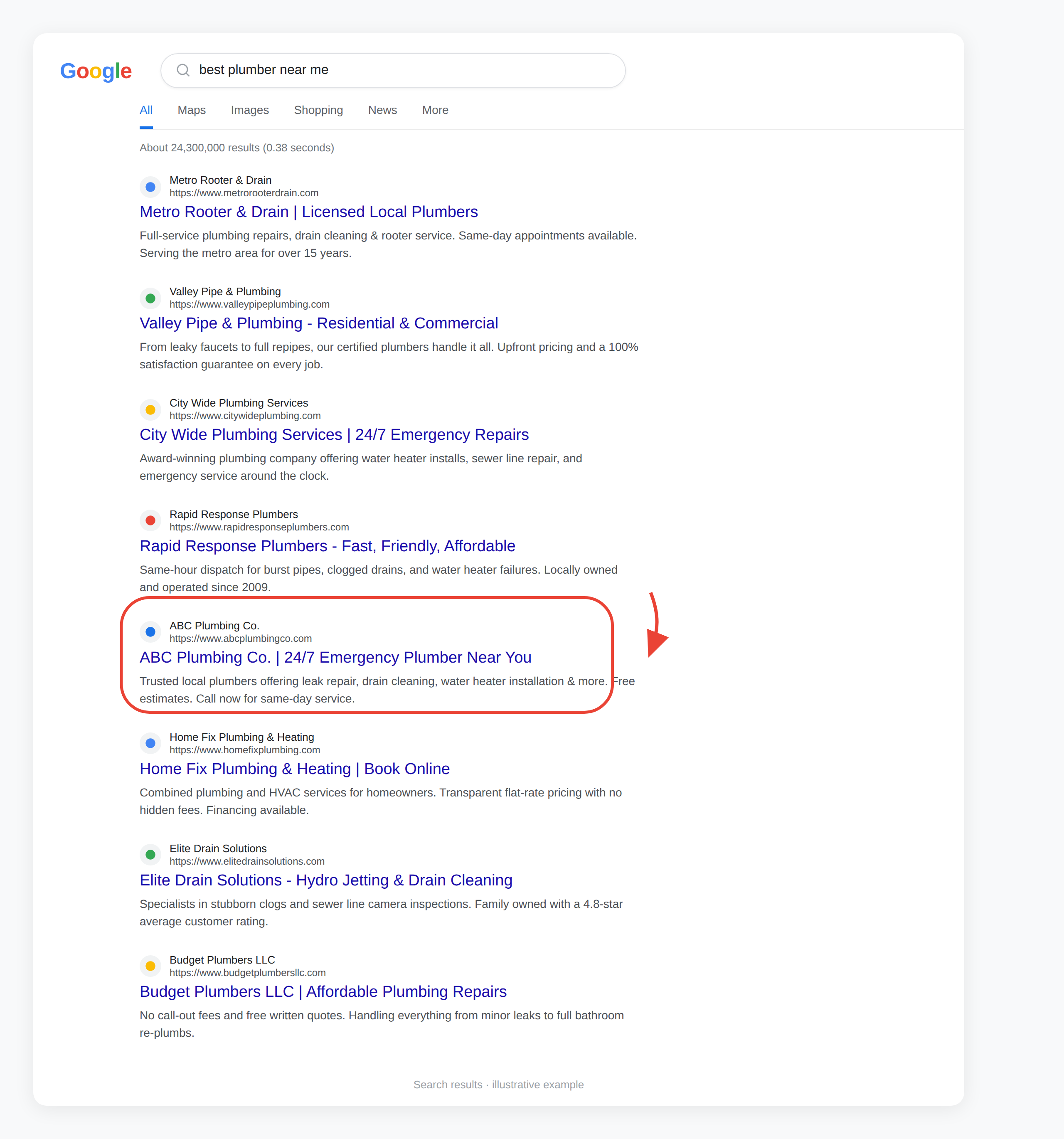
Common Causes and Targeted Recovery Actions
| Common Cause | Quickest Fix | Recovery Timeline |
|---|---|---|
| Review velocity slowdown | Restart and increase review requests | 2–3 months |
| Profile or category change | Revert edit, confirm correct categories | 2–4 weeks |
| Landing page lacks relevance | Enhance landing page content for season keywords & city | 2–6 weeks |
| Competitor surge | Boost review count, update GBP & landing page | 4–8 weeks |
| Technical issue | Fix crawlability, indexability, and speed | 4–8 weeks |
This table is adapted from best practices in Google’s official documentation and leading industry research.
GBP Compliance: Avoiding Visibility Penalties
- Keep hours accurate: Use “Special hours” for short-term changes (less than a week); only mark “Temporarily closed” for extended breaks. Inconsistent hours or business status can cause drops or even profile suspension.
- Maintain all profile sections: Fill out every available detail—categories, photos, attributes, and service descriptions. Incomplete profiles typically rank lower.
- Follow all Google GBP guidelines: Never use keyword stuffing, fake reviews, or misrepresent location data. Penalties may include ranking suppression or full suspension—always use transparent, policy-compliant information.
Industry Insights: Why Service Businesses Are at Higher Risk
Industries such as HVAC, roofing, plumbing, automotive repair, medical, and legal see the most pronounced swings during busy seasons. Because so many customers are searching on mobile and making urgent decisions, even a one-week slip can mean lost revenue that is not recovered later. FMS Online Marketing has helped businesses in these industries restore Google Maps rankings during high-stakes periods, using industry-specialized strategies and in-depth audits.
Our own case studies include:
- An Orlando HVAC company gained 22% growth in new business in just five months through ongoing Google Business Profile and website optimization during the height of summer.
- An auto body shop secured a business boost after implementing targeted local SEO tactics for Maps visibility during seasonal demand spikes, resulting in more appointments and phone calls.
To learn more about our process for different industries, visit our guides on plumbing local SEO and auto shop Google Maps strategy.
Best Practices to Prevent Future Drops
- Maintain a steady, year-round review generation campaign—do not pause during busy months
- Update Google Business Profile content (posts, services, photos, description) before the rush begins
- Monitor top 10–20 local keywords by grid to quickly spot negative trends and react early
- Audit categories, business hours, and service areas whenever operational changes occur
- Ensure the GBP landing page is tailored to each peak season’s most valuable searches
- Benchmark your efforts against the fastest-moving competitors to avoid falling behind
Many businesses also realize the value of aligning website content with seasonal local intent. For deeper advice, consider our article Why Local Content Helps Generate More Phone Calls.

When to Bring in a Local SEO Specialist
If you are unable to recover your rankings after two weeks of focused effort or cannot identify the root cause (profile, website, or competitor-related), it is time to consult a local SEO expert. At FMS Online Marketing, we offer in-depth audits including Google Business Profile history, category strategy, local link building, review velocity, and website performance. Our mission is to restore your business’s Maps prominence before you miss another peak season opportunity.
Want to learn more about signals your SEO partner should be watching? See our post Signs an SEO Company Knows How to Grow a Small Business.
Frequently Asked Questions
Why does my Google Maps ranking drop only during busy months?
Ranking drops often coincide with busy months because that is when both search behavior and competitor activity spike. The increased volume of reviews, photo uploads, and GBP edits by competitors can push your listing down if you are not keeping pace. Additionally, customer expectations shift, demanding more timely and relevant information.
How fast can I recover my rankings after a drop?
The recovery timeline depends on the underlying cause and the scope of change. Small fixes such as reverting a mistaken category or increasing review requests typically show improvement within 2–4 weeks. Broader technical or relevance issues may take up to 8 weeks. Consistent, focused action accelerates recovery.
Are GBP ranking drops permanent?
No, most seasonal ranking drops are temporary and reversible with the right action plan. However, prolonged neglect of your Google Business Profile, website, or reviews can lead to long-term visibility loss.
Should I mark my business as “Temporarily closed” if closed for a holiday?
For closures less than a week, use “Special hours” in your GBP. Only use the “Temporarily closed” status if the closure exceeds seven days, as this can impact your ranking and customer trust if used incorrectly.
Can inaccurate or outdated GBP details really affect my ranking?
Yes, incomplete or outdated information erodes both customer and algorithm trust, significantly reducing your ranking potential. Always keep your hours, services, and business attributes current—especially during peak periods.
Where can business owners get expert help fast?
You can reach out to FMS Online Marketing for a tailored local SEO audit, Google Maps recovery plan, and ongoing management to keep your business ahead during every season.
Conclusion
Seasonal drops in Google Maps rankings are a signal—not a setback—for business owners to strengthen their digital presence. No matter how competitive your market or how volatile search demand, the combination of regular reviews, fresh content, accurate profile management, and localized website updates will protect your visibility and calls through every season. As the go-to partner for small business local SEO, FMS Online Marketing has a proven process to recover from seasonal setbacks and turn peak periods into true growth opportunities.
If you are ready to defend your Google Maps rankings and never miss another busy season, contact us today for a strategy session or free audit. Let’s ensure your business stands out—no matter when your customers are searching.